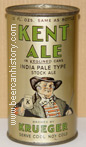
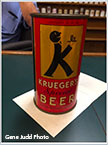
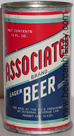
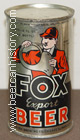
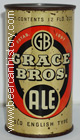
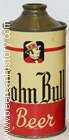
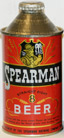
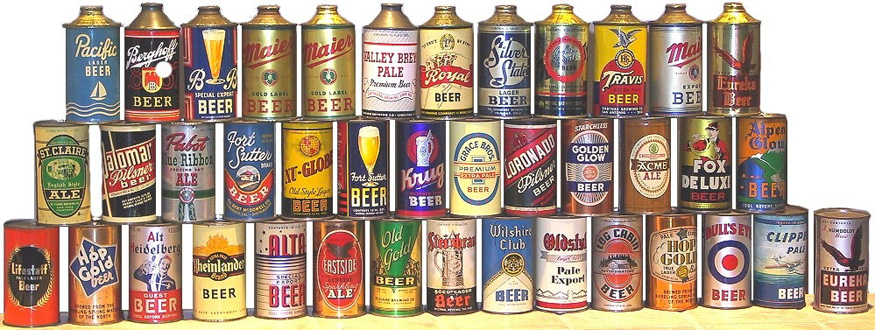
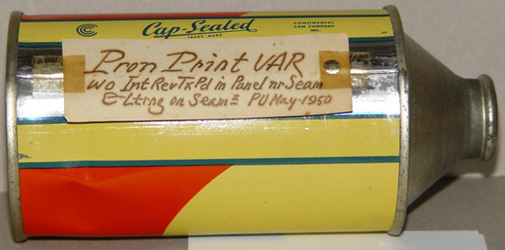
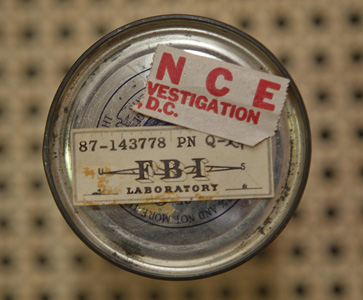
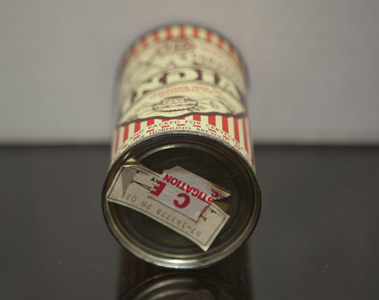
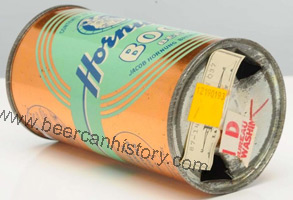
--- Following the G. Krueger Brewing Company's introduction of the beer can to the public in early 1935, other breweries quickly began using beer cans, which had advantages over beer bottles:
(1) brewers could describe and promote their product better with a label covering all sides of the container.
(2) for sellers and drinkers, a beer can was individually lighter in weight than a bottle; wasn't associated with heavy/bulky wooden cases; could be efficiently stacked; and most importantly to have value for later collectors, were disposable and most cans were not saved.
--- Early on as most beer cans were being discarded as trash and left unprotected from the elements, a few collectors began having fun saving the "new" beer cans. Besides the relatively few cans saved by collectors and a few other persons who likely drank the contents, there have been a number of inadvertently "saved' cans found later in "on-grade" condition that have been located in warehouses; attics; walls; protected by chance in dumps; and even as baffles in compressed air tanks for a 1950's wind tunnel facility in Los Angeles.
Overall before the 1960's, compared to the numbers of cans produced, relatively few on-grade cans were saved and most were discarded leaving many cans still to be found. Accordingly, today collectors actively search for, and find, beer cans from the 1930's-1950's in pits/dumps, in varying conditions but as decade-by-decade passes such cans, on average, are becoming increasingly weathered. More rarely, collectors and others still find cans protected by buildings - in "under-the-house" condition or even "on-grade".
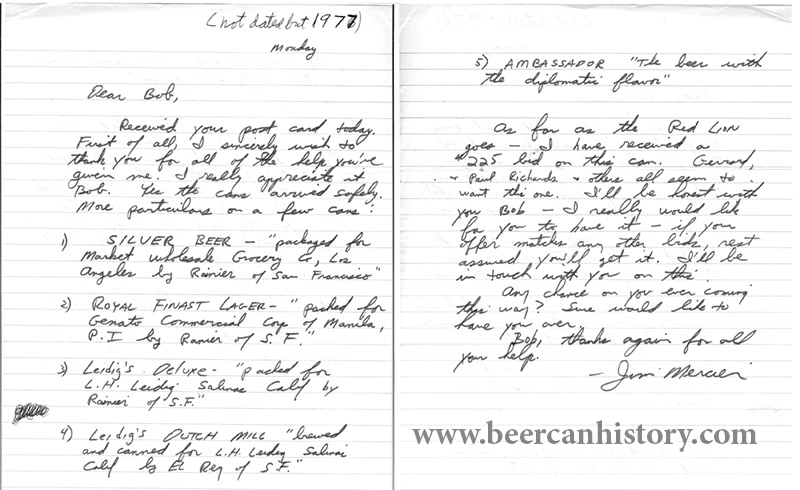
--- There is information on a few persons who might be called "original collectors" (those saving beer cans in 1930's to 1950's) who lived around the United States and in some other countries. Today, occasionally more information on early collectors is uncovered from past newspaper articles or from descendents, but as time passes the chances lessen for additional information being uncovered about these early collectors.
Among these "original collectors", as examples, selected ones from just five states are mentioned below, for which there is documentation connecting them with saving beer cans. While a few of these have been known to some current collectors, the information on several of the earliest collectors is typically fragmented and not complete.
A number of these collectors and their cans assembled are among the articles written by Matt Menke, Dave Lang, etc. in BCCA magazine.
---New York and New Jersey:
(1) Ernie Oest, BCCA#108 and the first BCCA Hall of Fame member is probably the most documented of the early collectors. Ernie said he began collecting labels from beer bottles around 1930 when living in the Ocean Hill section of Brooklyn; then including beer cans when they were available and becoming more active with beer cans as the years passed..
(2) Paul Daniels in New Jersey saved a number of 1930's cans that later were divided up among Ernie Oest, Joe Veselsky, and Joe Allis - some of those cans, or the brands, are pictured on this website.
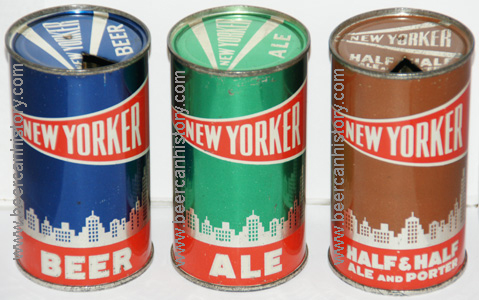
(3) In the Bronx was a musician, who sold his early can collection to a BCCA member on Long Island; who in turn sold the cans in the mid 1980's - most of these cans had the tops cut out such as a trio of New Yorkers, Pilser's Half and Half, etc.
(4) A brewery worker on Long Island, who saved a small group of 1+ beer can "mugs" that included several rarities, Neuweiler's bock, Trommer bock, etc. These cans were located by Dan Baker BCCA #2048, beercansplus.com, in 2008 and is an example that the cans from past collectors can still be found.
(5) Joe Veselsky, BCCA #226, who only started collecting in 1956 but purchased many rarities from earlier collectors, sold these cans to Wally Gilbert in 1975. Whenever a rarer brand example was needed in preparing Beer Cans Unlimited, Art Ressel said he spent more time picturing cans at Wally Gilbert's home than at any other collector's - blowing several fuses as Wally would relate later to visitors. Dave Lang has an article on Joe Veselsky in the BCCA magazine.
(6) A collector who "worked in advertising" and lived in New York City during the 1930's into the 1940's, then retired to Akron, as learned by John Paul, BCCA#42, who bought his collection in 1971 (more information on that collection in ABC's of cans, G is for Greater New York Brewery.)
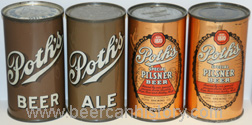
(7) An employee of American Can Company travelled around the country repairing canning machinery, and starting in the 1930's saved 98 beer cans of which 68 were instructionals. In 2003 BCCA member Jim Plant, through his website greenmon.com, was contacted by the employee's daughter from New Jersey about the group of cans that had been saved in an attic. Pictures of the unusual group of cans are on his website found via google under, it's greenmon's web page. On the site, click "beer cans" - then "American Can Company Find", to view rare brands such as Arrow Ale, Eigenbrot's Ale, Hopfheiser, Krueger's Bock, Peter Doelger Bock, PON, Poth's Ale, Trommers, etc.
(8) "Legendary Finds: New Jersey, 1980": in the April/May 2007 BCCA magazine, Matt Menke described a group of "159" cans that became known to collectors around 1980, which contained flat tops, cones and quarts from around 1935 to the early 1950s. Most of the brands were Eastern, but there also were scattered labels from around the country. Matt heard that the cans had been assembled by a "casual collector" who sometime before 1980, watched as a large group of beer cans were left in a dump and happened to retrieve some of them. Matt wrote: "there was no word on exactly" where the dump was, except the state connected with the story was "New Jersey"; or "what circumstances might have caused" the discarding of a large, diversified collection with many unusual cans from over a 15+ year interval starting in the mid 1930s.
---Pennsylvania:
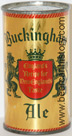
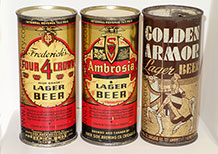
(1) Pottstown bar: Turning up in 1972 was an extensive collection of cans in grade 1/1+ that had been donated by bar patrons, but fortunately the cans weren't kept long in the bar and thus avoided being "smoked": 2 Buckingham ales, tall 12 oz Fredericks & Ambrosia, Wacker J.; and a number of quarts, Chester, Hornung, Erlanger's, two Schmidt's bock, among other cans. As all were full as of 1972, at that time the cans were bottom-opened with an early '70's opener and the cones were left with original caps still on. This collection was written up by Matt Menke in BCCA magazine.
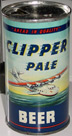
(2) A collection with around 40 full beer and ale cans was found in the early 1980s by collector Don Monroe, who described the group as assembled by a "railroader" who worked on trains in Pennsylvania, New York, and Ohio. Among the rarer labels in the group was a MC Ale and the Clipper cone variation with the Jamestown, NY distributor.
(3) A group of around 60 crowntainers from the Crown Can's Philadelphia plant were saved by a Crown Cork & Seal employee who passed on the cans to a BCCA member around 1980. When found, the group included around 15 labels not known before but in the years since, other examples of about half of these labels have been found.
---Wisconsin
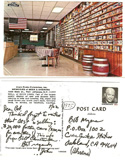
(1) A collector with the last name of Jung in the Milwaukee area, per a Milwaukee newspaper article dated c1940, was mostly a collector of beer bottles, but also saved some cans. By 1970 this group was around 40 cans in number with all 1930's brands, such as: Waldorf Golden Bock; St. Louis ABC Old English Type Ale; Fort Pitt Ale; Waldorf Lager Beer/Ale; a well-tarnished Manhattan Bock; Yorkshire Ale; Fitger's Natural Beer; Dutch Club Brand Beer, among others. This group was located through a newspaper ad run by early BCCA members Bob Myers and Vaughn Amstutz. With Vaughn living in Lafayette, Indiana, he drove to the Milwaukee area in October, 1970 and bought the group from Jean Root, who also helpfully provided a copy of the above referenced Milwaukee newspaper article.
--At the Wisconsin State Fair, at least during at least the 1950's and 1960's, a collection of several hundred beer cans was seen by visitors.
---California:
(1) Charles Coffey started collecting in the summer of 1936 driving a truck for the Oakland Family Camp near Quincy, a small Sierra Nevada town. He saw beer cans discarded in garbage cans behind stores, and got the idea to begin assembling a grade 1/1+ can collection.
Over the next 15 years, his collection grew into an organized/diversified group of around 250 beer cans that included nearly all the rarer Calif. cans sold before the early 1950's. Those cans have been preserved in several collections, with a number of those or the same brand, pictured on this website.
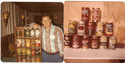
(2) Marvin Schantz, starting in the early 1930s, worked on the road crew for U.S. Rt 50 across the Sierra Nevada and picked up beer cans he saw along the highway from the mid-1930's to the early 1950s. His collection is unusual in that he rarely saved a variation of a brand, once he had saved the first example he saw. An article by Matt Menke on his collection is in the BCCA magazine.
Marvin Schantz Collection
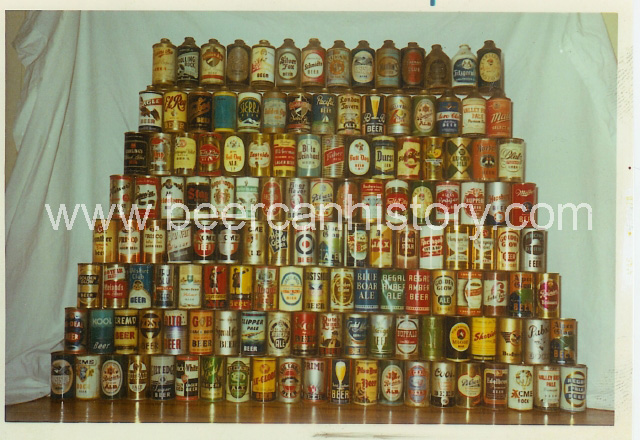
(3) A couple started collecting in 1935 when traveling around California, and the widow later lived in Clovis - some of those cans are also pictured in a BCCA Magazine article as well as on this website.
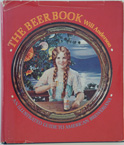
(4) Jim Bacon lived in Defiance, Ohio and started collecting cans in the late 1930's, later moving to Sacramento where he worked for the post office. Jim sold his collection to Joe Allis in the early 1960's. When Will Anderson bought the Joe Allis collection, included were around 20 olive drab (OD) cans, including several of the rarest, Krueger, Narragansett, and Rainier cone, most of which were from Jim Bacon. In November, 1970, Jim had retired to Yankee Jims, Calif., and Bob Myers visited him. Jim pointed out many of his cans pictured in Will Anderson's "Beers, Breweries, and Breweriana" book, and said how he got his variety of OD cans:
When in Army during WWII, Jim worked late most nights sorting mail and returning one night, his bunk was piled full of OD beer cans. Since removing the cans might have made too much noise, he just slept on the floor quickly realizing the joke his buddies were making.
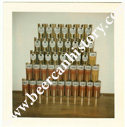
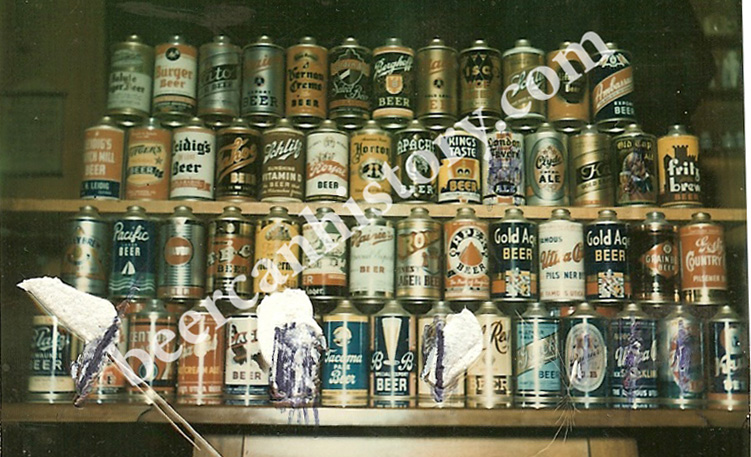
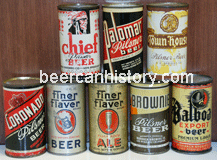
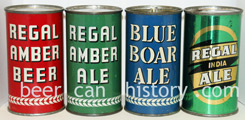
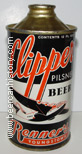
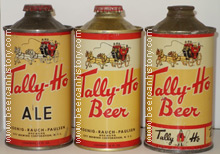
(5) "Chico, Calif. collection" - located in a bar by Randy McMahon that included 50 or more mostly top shape cans such as Silver State, Travis, Regal India Ale, Lifestaff flat, Nu Globe, Palomar, etc. This picture was taken by Randy McMahon who got the collection from bar owner, who had much earlier bought the cans around 1970 from a now-unknown "original collector".
Chico, Calif. Collection

.jpg)